
About
Programs and Activities
- General membership meetings, including annual
awards recognizing historic preservation activities - Active representation at City Council and Design Review Board meetings
- Regular online newsletters
- Acceptance and maintenance of facade easements on significant historic structures
Accomplishments
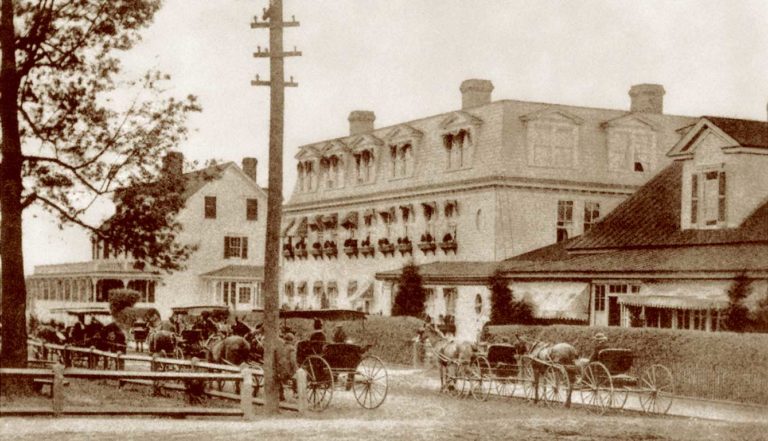
- Successfully advocated for preserving the Hotel Aiken and associated properties; provided historic material to support the selection of a preservation developer; currently supporting revitalization efforts
- Prepared and negotiated the nominations to place the Hotel Aiken and Johnson Drugstore/McGhee Block on the National Register of Historic Places, enabling future preservation developers to qualify for tax incentives/credits
- Developed preservation plans and prepared associated documentation that enabled Aiken County to acquire the Charles Simons Federal Courthouse from the General Services Administration; currently providing ongoing support for reuse and preservation
- Accepted and currently maintain façade conservation easements for the Willcox Hotel and the Blue Cottage
- Organized two workshops on the economic benefits of historic preservation for government officials and the public
- Ongoing support in the form of historic background and input on preservation opportunities to property owners, the Design Review Board, and the City
- Presented over 100 preservation awards since 1974.
Origins
It was 8:00.a.m. in the hottest part of the summer of 1973 when my friend Elke Haas called to say that her husband had seen a work crew with bulldozers and chain saws destroying trees at the south end of Chesterfield St. Within a few minutes, a call came from Marian (Tottie) Maurice, who had driven past a similar scene of havoc a few blocks further north on Chesterfield. I suggested that both ladies call the City Manager, Mayor and Council members for an explanation.
Then I called my great friend, Councilman Skipper Perry, who said that the South Carolina Department of Transportation (S.C.D.O .T.) was creating a traffic corridor to facilitate traffic movement through the center of town (despite the fact that this corridor had a bottleneck on the south end and an absolute dead end on the north). He also said that the City had signed a contract with the S.C.D.O.T. five years earlier and that no one had objected at that time. That, of course, was because no one other than Council members knew about it.
When I drove to the intersection of Barnwell Ave. and Chesterfield St., I found, to my great relief, attorney Julian Salley talking with the foreman, and three of Aiken’s most stalwart environmentalists watching in dismay as the bulldozer plowed down the pine trees. Those three were Tottie Maurice, Carol Turno and Dr. Bob Lipe, in his white coat with a stethoscope dangling from his pocket. So the four of us joined hands and walked toward the bulldozer, which mercifully stopped. And all the work on the project stopped until the next City Council meeting. I’ve never understood why it stopped, but it did.
At the next Council meeting, we packed the room with concerned citizens, a number of whom spoke in opposition to the traffic corridor. Council managed to cancel its contract with the S.C.D.O.T., and the area was spared.
Thus we learned that a room full of interested citizens can sometimes sway Council and that we must never again be in the dark about long-range plans which affect the beauty, style, and livability of our town. The Historic Aiken Foundation was organized soon thereafter to bring together people interested in preservation. We were fortunate then, as we are now, that our city administration welcomes the participation of its citizens, and the Foundation has long enjoyed a cordial and productive working relationship with city officials.
As to those three dedicated preservationists who walked with me toward the bulldozer, they have all died. But I remember them with pride and gratitude. There could have been no finer companions with whom to link hands for so compelling a cause on a hot summer day.
–Nancy Wilds
Founder, Historic Aiken Foundation